

Steph was expecting a baby. She wasn’t expecting this.
As Steph prepared to have her baby, she expected a day she’d remember forever, just not like this.
Steph was healthy. Her pregnancy was healthy. Like so many people, blood donation simply “wasn’t on her radar”.
In the middle of labour, everything changed.
A healthy pregnancy. An unexpected emergency.
Steph arrived at hospital thinking she’d meet her baby within hours. She’d been induced and was prepared for a long day, not an emergency caesarean and a medical crisis she’d never heard of before.

“I genuinely never thought that I would be in a situation where I would need blood and it ended up being 2 litres.”
Steph was taken for an emergency caesarean. To get her baby out quickly, doctors moved straight to a general anaesthetic.
12 hours later, she learned she needed blood transfusions while doctors worked to keep her alive.
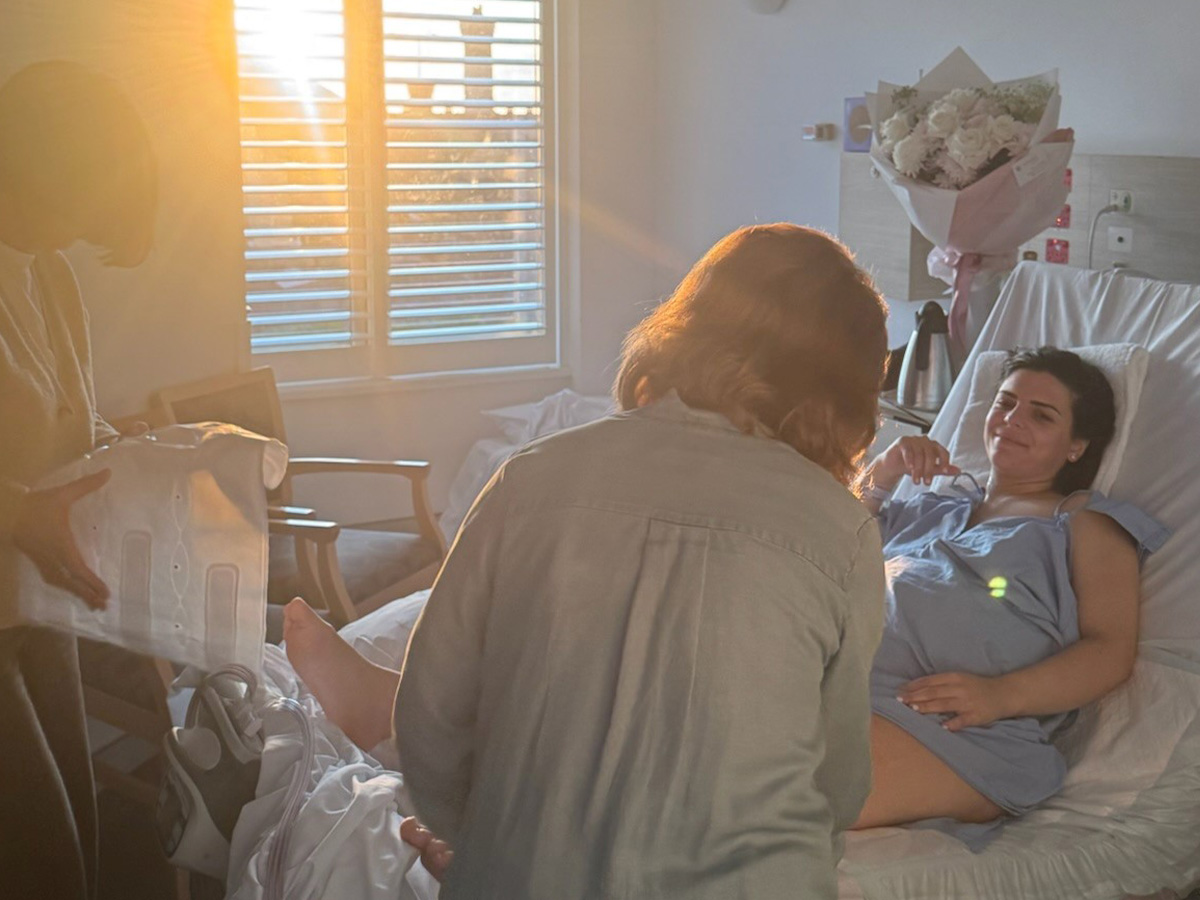
Steph expected to wake up soon after her baby was born. Instead, she woke up half a day later, without her baby beside her.
She had developed a rare but life-threatening complication called disseminated intravascular coagulation, or DIC.
“I went into DIC…when you’ve lost your blood clotting factors,” she explains. “Your body has stopped the ability to be able to clot, meaning you will just bleed out.”
It can happen to anyone, sometimes with no warning signs. Steph received donated blood to stay alive and to be there for her daughter.
Why blood is needed in pregnancy and childbirth
Pregnancy and birth can require blood products for many reasons. From severe bleeding during or after birth, to complications involving clotting, or conditions that affect mum or bub.
In fact, 4% of donated red blood cells help pregnant women, new mothers and young children.
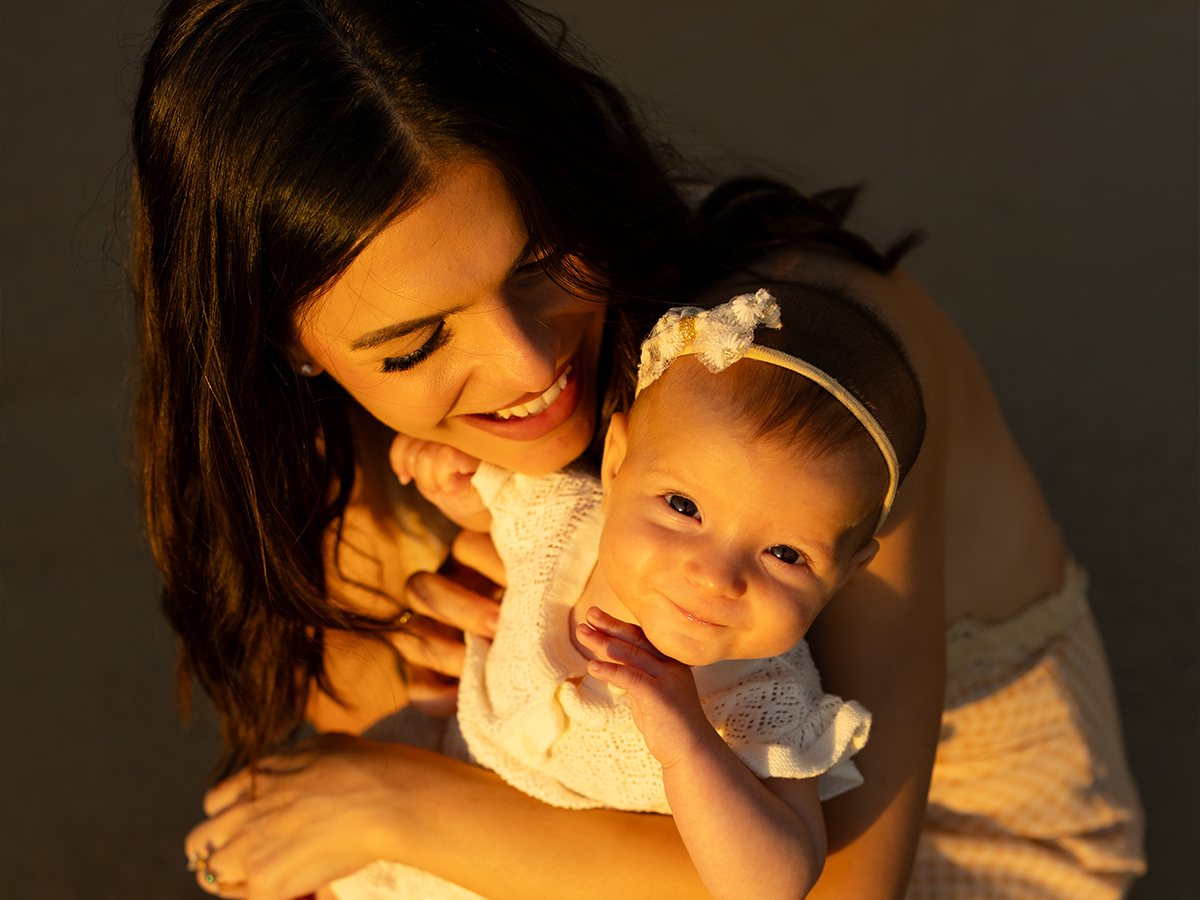
Steph’s story is a reminder that life’s not always predictable. When those complications happen, hospitals rely on blood donations already on the shelves ready to go.
The Mother’s Day takeaway Steph wants people to hear
Steph doesn’t share her story to frighten anyone. She shares it to remind us how close these moments can be and how powerful a donation can become.
“If we didn’t have people that donated blood, I would not be here today.” she says.
What stayed with her most was the feeling of people coming together.
“I got this overwhelming sense of community. I’m a byproduct of everyone’s hard work,” Steph says.
“If people come together, you can absolutely change someone’s life.”
Not sure if you’re eligible? Start here.
After Steph shared her experience, she heard the same thing again and again from friends and family: I’d donate, but I don’t think I can.
Her advice (and ours) is simple: don’t rule yourself out. 6% of Aussies think they’re ineligible when they're not — that’s 1.6 million people. Another 6% don’t know either way. When asked about health conditions and eligibility criteria, over 40% got it wrong or weren’t sure.

As Steph puts it, “The best way is just take the eligibility quiz.”
You might be more eligible than you think, and if you’re unsure, Jamie can help.
If you can donate, you could help someone through the most important day of their life, or the scariest.
You may also like