






Let’s talk about anti-D and Why we need your help
Let’s talk about anti-D
When a mother with Rh (D) negative blood is pregnant with a baby that has Rh (D) positive blood, there’s a risk her immune system will create antibodies that can attack the red blood cells of their next Rh(D) positive baby.
Anti-D immunoglobulin injections can help women from developing these potentially harmful antibodies.
Without it, a woman’s next Rh(D) positive baby could suffer from Haemolytic Disease of the Fetus and Newborn (HDFN), which can be fatal and simply heartbreaking.
Why we need your help
Very few people, and even fewer people who donate blood, have anti-D. We rely heavily on the incredible people who can help with this important life-giving product, for those who need it most.
Anti-D immunoglobulin injections are made up of plasma from a small group of people who give blood. This incredible group of people all have:
- the Rh (D) negative blood type
- a special type of antibody (a protein made by their immune system) in their blood called anti-D.
Did you know the majority of Australia’s anti-D plasma comes from the small pool of around 115 people who regularly give blood as part of Lifeblood’s anti-D program?
Your blood could save a baby’s life
50 years ago, we established the anti-D program to maximise the supply of anti-D and meet demand.
The need for Anti-D is growing, and it’s time for a new team of superheroes like you to join forces and save tiny lives by giving their rare, powerful plasma.
You could even be one of the rare few who can help, and might not know it.
How you can help
- If you are a man, or woman past childbearing years, who is Rh (D) negative, we’d love to talk to you.
- All you have to do is make a plasma donation. While you’re giving that special gift of life, ask about the anti-D program.
- If you'd like to know more, simply call us on 13 14 95.

You may also like
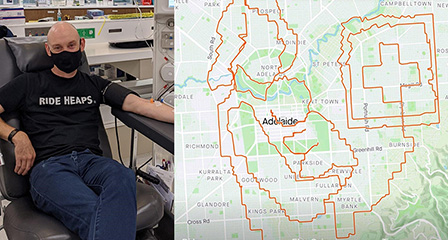
Making a difference
Peter joined our anti-D program when his wife encouraged him to give blood as she took time out for the birth of their two daughters.
See Peter's story
Donate plasma today
Find a time and location that suits you, and we'll get you booked in. Let’s talk about anti-D at your next plasma donation.
Book a donation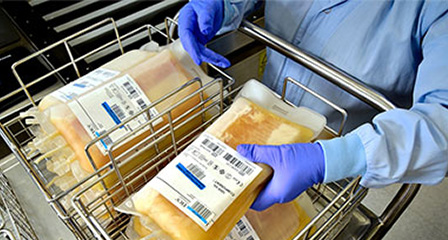
What is plasma?
Want to help more people, more often? Find out how plasma can be used in 18 life-changing ways!
Think plasma