




Let's talk about anti-D
Rare. Unique. Life-saving.
Anti-D is a special antibody. When you donate it, it’s turned into anti-D immunoglobulin injections, which can protect babies before they’re even born. Without it, babies could suffer from haemolytic disease of the fetus and newborn (HDFN) — a fatal and heartbreaking disease.
Not a lot of people can donate anti-D. We rely really heavily on the incredible ones who can.
How anti-D works
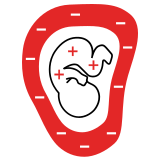
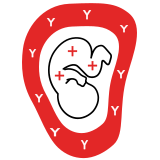
A pregnancy
A mum with a negative blood type (RhD negative) is pregnant with a baby who has a positive blood type (RhD positive).
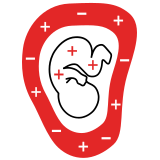
Stray blood cells
Those RhD positive red blood cells from the baby enter the mum’s blood stream, either during pregnancy or after the birth.
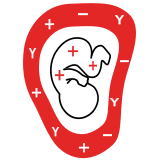
Antibodies kick in
Antibodies (Y) are produced by the mum’s immune system to destroy the RhD positive red cells. These antibodies stick around for years.
Another pregnancy
Mum is pregnant again, with another RhD positive baby. Those antibodies she produced can cross the placenta and attack the baby’s red blood cells.
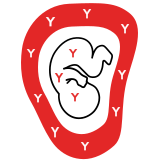
The risk
If the baby’s red blood cells are destroyed, it can lead to haemolytic disease of the fetus and newborn.

Stray blood cells
RhD positive red blood cells from the baby enter mum’s bloodstream.
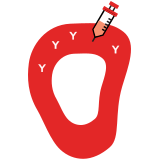
Anti-D to the rescue
Anti-D injections are given during pregnancy and again after the baby is born.
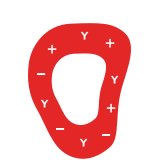
How it works
The anti-D removes the RhD positive cells, and stops mum’s immune system from producing antibodies.
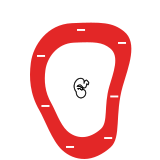
Another pregnancy
Mum’s pregnant again. This time, her body hasn’t produced antibodies that could destroy the baby’s red blood cells.
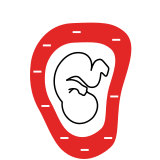
Safety
The baby is protected from haemolytic disease of the fetus and newborn.
How can I help?
Know you’ve got anti-D? Just keep donating plasma whenever you can.
Not sure? If you’re RhD negative and either a man, or a woman or gender-diverse person who has stopped having (or never had) children, we’d love to have a chat. Give us a call on 13 14 95.
Need to know more? Not a problem. Give us a call and we’ll tell you everything you need to know.

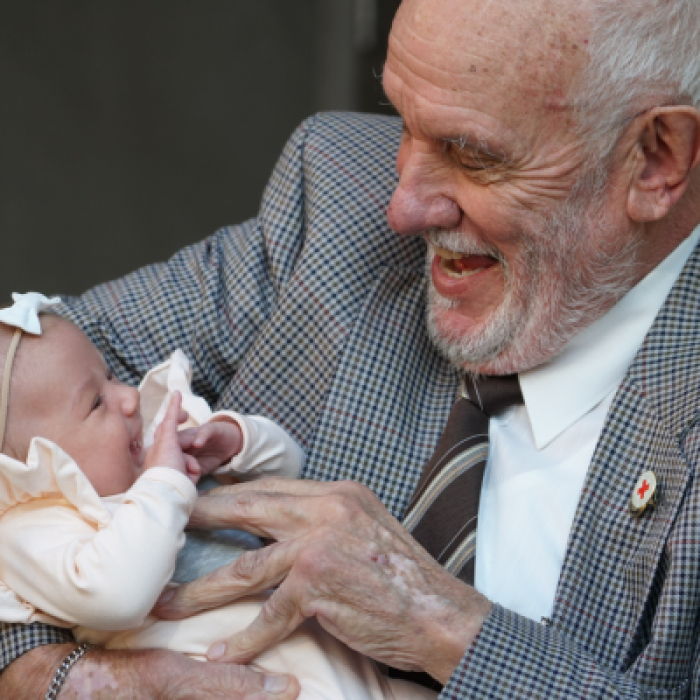
The man with the golden arm
Australian donor James Harrison was one of the most impressive and valued donors the world has ever seen.
James holds some pretty impressive records. Donating 1,173 times. One of the first anti-D donors in the world. Helping save the lives of up to 2.4 million babies.
From the age of 18 right up until he was 81, James was a stalwart in donor centres — despite his fear of needles.
While James passed away in 2025, his legacy and incredible contribution will live on.
More about anti-D
- How many people donate anti-D?
Most of Australia's anti-D comes from just 115 people!
- If I have anti-D, what should I donate?
A plasma donation is the most powerful way for you to give. If you donate blood, your plasma will still be used for anti-D injections. Rest assured, no matter what you give, it'll go to those who need it most.
- How many women and babies are helped by anti-D injections each year?
Around 15% of pregnant Australians will need anti-D injections to keep their babies healthy. This is almost 48,000 women and gender diverse people every year.
- Why are anti-D donors so rare?
Anti-D donors are rare because they have a specific blood type (RhD-negative) and anti-D in their plasma.
- When did the anti-D program start?
Before the 1960s, haemolytic disease of the fetus and newborn was the leading cause of stillbirth, newborn death and disabled babies. International research discovered that the anti-D injections could prevent it, and Australia moved quickly to establish a local supply.
In 1967, we launched a national program. We started identifying and recruiting people with anti-D, collecting their plasma to pronduce RhD immunoglobulin for Australian patients.
It was a huge achievement! The pool of donors was extremely small, and the manufacturing process was complex and highly specialised. But it was a success. It helped transform pregnancy care in Australia.
- Are there any resources available to learn more?
Sure are! Here are some of our favourites:
- A Current Affair video about John Gorman, the doctor who pioneered the treatment in the 1960s via Youtube
- Dr Karl's podcast Shirtloads of Science, featuring one of our anti-D donors Daniel
- Good Blood: A Doctor, a Donor, and the Incredible Breakthrough that Saved Millions of Babies by Julian Guthrie (Book published 2020)
- I'd like to talk to someone about the program
Great! Give us a call on 13 14 95 and we can chat.
You may also like
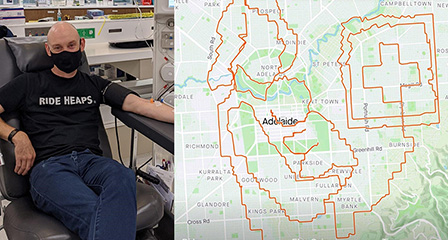
Making a difference
Peter joined our anti-D program when his wife encouraged him to give blood as she took time out for the birth of their two daughters.
See Peter's story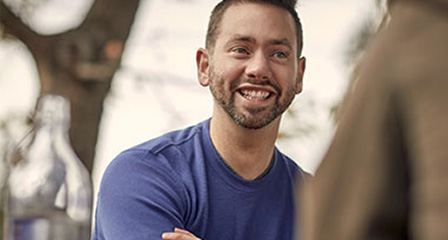
Donate plasma today
Find a time and location that suits you, and we'll get you booked in. Let’s talk about anti-D at your next plasma donation.
Book a donation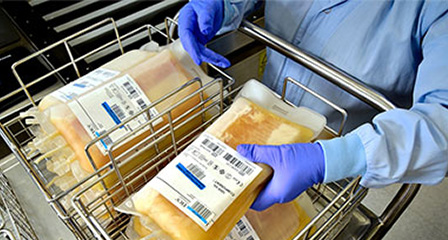
What is plasma?
Want to help more people, more often? Find out how plasma can be used in 18 life-changing ways!
Think plasma