






Table Of Contents
TOC component
What is a blood transfusion?
A blood transfusion is when a patient (in this case, you) is given blood which has been donated from another person.
What is blood?
Blood is that important red stuff that carries oxygen, nutrients and heat around your body plus takes away carbon dioxide and waste products.
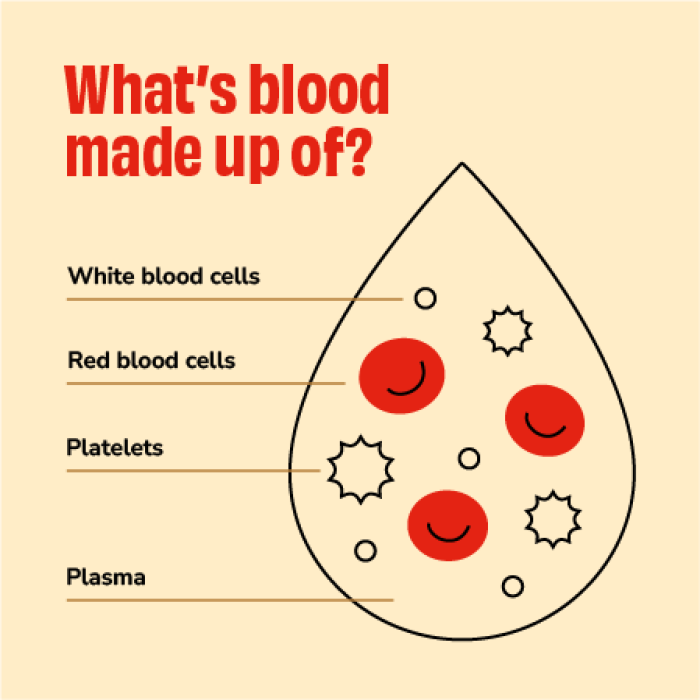
It’s made up of:
- red blood cells that carry oxygen
- white blood cells that fight infection
- platelets that help form clots to stop bleeding
- plasma the liquid, containing proteins, carbohydrates, electrolytes, hormones and vitamins
A blood transfusion isn’t usually all of the blood, but just part of it like red cells or platelets.
Why might I need a blood transfusion?
It’s ok to lose some blood because our bodies replace it over a few weeks. Medicines like iron, or even an iron-rich diet, can also help with recovery.
You may need a transfusion if:
- You lose large amounts of blood (like from surgery, illness or an injury),
- Your body is not making enough blood due to illness or treatment like chemotherapy,
- You have a condition that affects red blood cell production, like thalassaemia or sickle cell disease
Are transfusions safe?
A blood transfusion is a very common and generally safe procedure and most people don’t have any problems.
The blood supply in Australia is one of the safest in the world.
Ask your doctor to explain how they have weighed up the risks and benefits of a transfusion for you. They should also let you know any other options to having a transfusion too.
In Australia, many things are done to make sure blood is as safe as possible
- Every donor is asked about their health before every donation
- Every blood donation is tested for infections like hepatitis and HIV
- Some blood products (platelets) are also tested for bacteria to reduce the chance they carry any bacteria
Like other medical treatments, it is possible to have a reaction to a blood transfusion. Fortunately, this is rare, and staff know how to keep you safe.
Did you know?
All blood donors in Australia are volunteers, meaning they’re not paid to donate. You may even know someone already who donates blood, such as a parent, other family member, or friend. The minimum age for donating is 18 years.
Is the blood specially chosen for me?
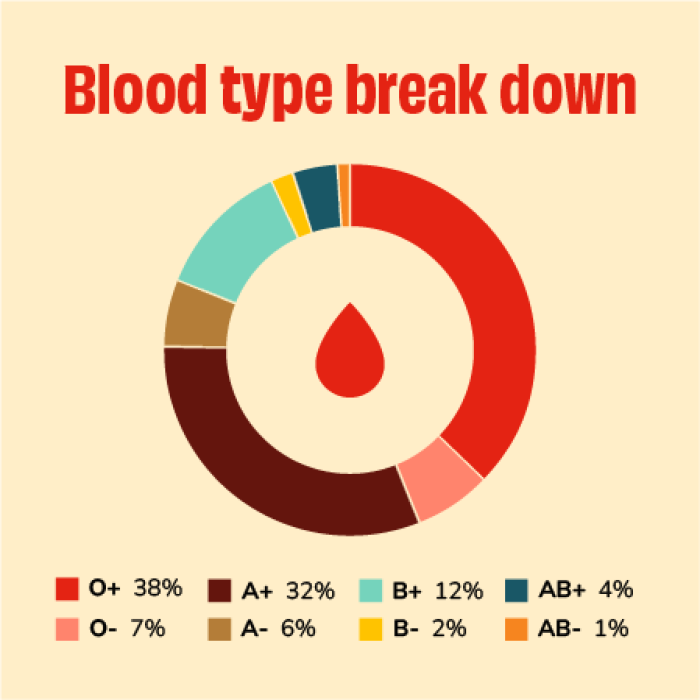
Yes. Everyone has a main blood type made up of ABO (so A, B, AB or O) and Rh(D), which is positive or negative part. So, there are eight main blood types.
Your transfusion will be specially selected to match with your main blood group.
Some people after transfusion can make antibodies (molecules that attack foreign things in the blood), which means they will need blood matched even more closely to their type.
To ensure you receive the right blood, the staff will carefully check your identity before transfusion. They’ll ask you for your full name and date of birth and check the details on your identification (ID) band and the blood pack to ensure they all match — so keep wearing those ID bands!
FAQs
- How is blood given?
- It is dripped into a vein, usually in your arm or hand, using an intravenous (IV) cannula. An IV cannula is a small, soft plastic tube put directly in your vein using a needle. Here’s a video to see how this is done:
Link - RCH TV : IV cannulation
(https://www.rch.org.au/be-positive/A_childs_guide_to_hospital/IV_cannulation/)
- One pack of blood (a unit) usually takes up to 4 hours to give, but can be faster if needed. During the transfusion you might sit in a reclining chair, scroll on your phone, listen to music or watch something. Check with your nurse what other things you can do during the transfusion
- Once it’s finished, if the IV cannula is no longer needed, it will be removed.
- A bandage is put over the area, which may be a bit tingly or sore for a little while.
- How will I feel during the blood transfusion?
Most people feel no different during their transfusion. But, some people develop problems like fever, chills, headache, or, rash. If any of these things happen your nurse will know what to do – like using a medication or giving the blood more slowly.
If you feel at all unwell, please call the nurse immediately.
- What if I have other worries about blood transfusion?
It’s totally ok to be nervous, curious, annoyed or just not that interested especially if you feel unwell or have had blood transfusions before. Different people may experience differing feelings about blood transfusion.
It’s also ok to tell your doctor or nurse about anything that is worrying you, no matter how small you might think it is. They are there to help you and answer any questions you have before getting started.