



What helps mums to donate their milk?
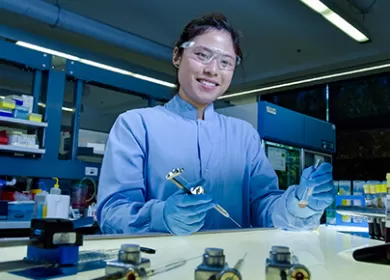
Last year, we shared how our research team dug into the records to learn more about the 1,794 mums who donated 23,714 litres of human milk in the first six year of operations. Now we’re excited to share more insights thanks to 31 volunteers who spoke to Dr Claire Newman, Senior Research Officer at Lifeblood.
Claire says this project is vital to support premature babies when their mum’s own milk is not available, helping them grow and reducing the risk of disease like necrotising enterocolitis:
"Lifeblood is the primary provider of donated breast milk to hospitals across Australia. That means preterm babies are depending on us to recruit enough milk donors to ensure milk is available when they need it."
It’s critical we understand what encourages or discourages both existing and potential donors so we can continue to provide for our smallest recipients.
What did we find?
Knowledge is key:
- Many research participants didn’t know milk donation was possible until they discovered it through online searches or social media posts.
- Very few had received information about donating milk from their healthcare professionals.
- Most mums who hadn’t donated before wanted clarity on their potential eligibility to donate, how much milk would be needed, and guidance on expressing, storing and donating milk.
There’s plenty of reasons to donate:
- Most were motivated by wanting to help babies, especially premature or sick infants. Knowing more about where donated milk goes and how it is used reinforced this motivation.
- Some donors felt it was their responsibility to donate because they could, and anticipated reciprocity if their baby ever needed donor milk.
- Most view milk as a valuable resource that should be used, rather than discarded. Donation was seen as a meaningful way to use excess stored milk.
- Many felt reassured by Lifeblood’s formal screening and quality control processes. Previous experience as a blood donor reinforced trust and willingness to donate milk.
Donors appreciated that we make donation easier:
- Home collection of milk and blood samples made donating milk much more convenient.
- Positive and flexible interactions with Lifeblood coordinators encouraged donations.
- Donors appreciated being provided milk storage bags to replace those they gave.
The full research publication is available online if you’d like to learn even more about this study. If you’ve got questions, you can contact Claire.
What's next?
There’s room for improvement, with donors reporting barriers like recalling exact dates for eligibility screening or struggling with freezer space. Interviewing these 31 donors was a great start, and informed further surveys to hear from larger groups about what they know, what they want to know, and what they’d like improved in our processes. Claire says:
It’s clear that more families need to know about milk donation as an option. We’re launching awareness initiatives, and continuing to work to make donation simple and convenient for busy new parents.
You may also like