

Donated breast milk now supporting Northern Territory’s most vulnerable babies
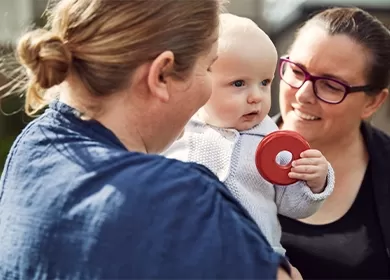
Premature babies at Royal Darwin Hospital now have access to donated human breast milk, with Australian Red Cross Lifeblood expanding its national milk service to support neonatal care in the Northern Territory.
The move strengthens access to specialised care for some of the NT’s smallest and most vulnerable patients, where rates of prematurity are among the highest in the country.
While a mother’s own milk is always best, mothers of preterm babies often need time and support to establish supply. Donated breast milk can provide a vital bridge and can halve the risk of a serious and potentially deadly bowel condition, necrotising enterocolitis.
Lifeblood Chief Executive Officer Stephen Cornelissen said the expansion is an important step in improving outcomes for Territory families.
“Access to donor breast milk gives clinicians another critical tool - supporting vulnerable babies while also giving mums the time they need to try and establish their own milk supply.”
“This is an important milestone for Lifeblood, with our milk service now supporting hospitals across every state and territory as part of a truly national service.”
Northern Territory Minister for Health Hon Steve Edgington said, “Every premature baby deserves the very best start in life, and this expansion means Territorian families now have access to donated breast milk right here at Royal Darwin Hospital. There are currently 6 babies who are receiving the pasteurised breast milk at Royal Darwin Hospital.
“This is a fantastic outcome for Territory families and a strong example of organisations working together to improve health outcomes for our most vulnerable newborns.”
At Royal Darwin Hospital, clinicians say access to donor milk will provide a critical safety net for families during a vulnerable time.
Dr Amrit Jeevan, Neonatologist at RDH said early nutrition plays a key role in a premature baby’s survival and long-term health.
“For our smallest babies, those early days are critical. Access to safe, screened donor milk allows us to begin protective feeding sooner and helps babies reach full feeds earlier. Donor breast milk is the next best option for preterm babies, reducing the risk of serious and potentially fatal complications affecting the premature gut. It also lowers the chances of infection and discomfort by minimising invasive procedures, such as the need for central lines for nutrition. In addition, the brain growth factors found in human milk are known to support improved long-term development in preterm babies," Dr Jeevan said.
“For families who may be already dealing with the stress of a premature birth, this offers reassurance that their baby is receiving the best possible care.”
Originally launched in Adelaide nine years ago, Lifeblood’s milk service has grown alongside advances in neonatal care, supporting hospitals nationwide.
Nutrition underpins nearly every aspect of a preterm baby’s development, and access to donor milk is a simple, evidence-based intervention that can significantly improve outcomes.
Each year, the service will help provide life-saving nutrition to around 400 premature babies in the Northern Territory.
Milk banks operate similarly to blood banks - donors and donations are carefully screened, and all milk is pasteurised and tested to meet strict safety standards before being supplied to hospitals on demand.
“We’ve seen firsthand the difference donor milk can make for families during what is often an incredibly stressful time,” Mr Cornelissen said.
“This is about giving babies the best chance to grow, thrive and go home healthy.”
“We thank the Northern Territory Government and Royal Darwin Hospital for their collaboration in enabling safe and efficient access to donated breast milk for Territory families,” Mr Cornelissen said.
For more information on Lifeblood’s milk service visit lifeblood.com.au/donors/milk.
You may also like