



Saving lives could be in your DNA
By understanding unique blood types, we can help more Australians to stay healthy.
When someone needs a blood transfusion, their blood type is matched to the donor’s blood type. But what determines the blood type that you have, and how it might differ from your neighbour’s? It’s in your DNA.
Australia’s ethnic diversity continues to expand, which also expands the blood types that Aussies need as part of their medical care. One reason to need a blood transfusion is a disease called sickle cell disease. It’s an inherited condition that affects how red blood cells function, and it’s most commonly found in people with African ancestry.
People with sickle cell disease often need donated blood to stay healthy. But they can have particularly unique blood types that aren’t always detected by routine tests. In some cases, this leads to their immune system recognising the donor blood as different to their own and attacking it. This behaviour is a bit like how our immune systems are trained to protect us from foreign infections like a virus or bacteria.
Lifeblood researchers are learning more about the unique blood type profiles of people with African ancestry by studying their DNA. By understanding the precise DNA signals that control our blood types, researchers will be able to make even better blood matching recommendations for people with sickle cell disease, including advice tailored specifically to people of African ancestry. This means less chance of an immune system reaction and ultimately, it means safer blood transfusions for everyone.
Get involved
If you’re a donor of West African ethnic ancestry, you can join our research study. If you’re not, please help us spread the word – tell your friends and colleagues who are donors and help our study reach the right people.
- How to join
You’ll need to provide informed consent to join this study (just like any of our research studies). Note down your Donor Number, then complete the consent form and get involved.
- Can't find your Donor Number?
In the Lifeblood App, click on ‘Donor Card’ in the top right. You’ll see your Donor Number alongside your date of birth.
Or log in online and click ‘My details’ then ‘Manage details’. You’ll see your Donor Number listed just below your date of birth.
Stuck? Give the team a call on 13 14 95 and they’ll share your Donor Number with you.
- What happens once I've consented to join?
Once you’re in the study, we’ll set aside 5 mL of blood from your next donation for use in this research. If it turns out you have a rare or uncommon blood type, we’ll request a second 5 mL sample from your next visit. These samples are taken from your regular donation, so your overall donation volume remains the same.
What happens next?
The study will carry on for several years – it takes time to read all those messages encoded in your DNA! As we learn more about unique blood types, we’ll share findings with other Lifeblood teams, clinicians and hospitals to help ensure blood transfusion is as safe as possible. And if you have a rare blood type, we’ll be sure to let you know as well.
The last word
It’s important to note that having a unique blood type isn’t a risk to your health. Everyone has a blood type beyond A, B, AB or O. Learn more here.
Doctor Patrick Capon
Research Engagement and Communications Lead
Patrick is a science communications specialist who's passionate about the role of science communication in increasing research impact. He works closely with all Lifeblood researchers to translate their research into meaningful content and enable anyone to connect with our outcomes - whether that's scientists, journalists, donors, or the wider community.Patrick holds a PhD in Chemistry, is an award-winning presenter, and has experience in medical writing and science communication for audiences ranging from school students to medical professionals.
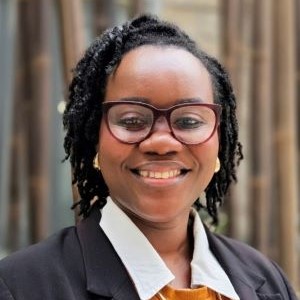
Doctor Sandra Sowah
Senior Research Scientist
Sandra’s research interest is in blood group genomics and the application of genomic technologies to improve transfusion medicine and patient care. Her research focuses on defining blood group antigen profiles across diverse populations to support equitable access to compatible blood and advanced precision transfusion practices.Sandra completed her PhD in Biochemistry at The University of Queensland through the ARC Training Centre for Biopharmaceutical Innovation. Her research was on monoclonal antibody discovery and engineering for malaria therapeutics using phage display technology.
You may also like